
Records Around a Glen Ellyn Block
Start with the land, not a list of names. The DuPage Parcel Viewer draws the lots surrounding one address. Property Lookup then gives a separate card for each PIN, or parcel identification number. The Recorder adds deeds, easements, plats, and subdivision records. Village permits and maps explain work or planning context. A limited voter query can confirm one known address, while historic directories can show an older subscriber. These sources describe different parts of a Glen Ellyn block.
| Public source | Block-level value | How to reach it |
|---|---|---|
| DuPage Parcel Viewer | Parcel shapes, roads, imagery, flood and district layers, and an adjacent or buffered set | Public map with click, select, intersection, and buffer tools |
| DuPage Property Lookup | Owner or entity, situs, tax mailing address, legal description, transfer and tax context per PIN | Public address, PIN, name, and map modes |
| DuPage Recorder | Conveyances, easements, plats, subdivisions, and annexation documents for nearby PINs | Online index plus office counter for older material |
| Election Division lookup | A limited registration result for one known address and district context | Individual query, not a public block roster |
| Village LAMA and FOIA | Permit, inspection, planning, and code records tied to a site | Partial online search and written request |
| Haines and GEHS phone books | Historic address-to-subscriber or business clues | Library shelf or research appointment |
Keep owner, occupant, and mailing contact in separate columns. A deed or parcel card may name a person, trust, estate, or company that does not reside there. A mailing address may be off site. A reverse directory names a subscriber, not every household member. Even an exemption flag is evidence of tax treatment in a stated year, not a complete occupancy claim. This distinction is the key to describing your neighbors without overstating the public record.
Map Your Glen Ellyn Neighbors
The Parcel Viewer can turn one known Glen Ellyn address into a bounded set of adjoining land records. Search by address or PIN and click the target polygon. Zoom until the side, rear, and across-street lots are clear. Roads, parks, rail land, common areas, and large complexes can break the simple idea that every visible polygon represents one household.
- Find the target in DuPage Property Lookup and copy its PIN and situs address.
- Open Parcel Viewer, locate that PIN, and select the parcel polygon.
- Turn on parcel boundaries, roads, and any useful district, zoning, flood, or historic imagery layers.
- Click each adjoining polygon, or use Buffer Selected Parcels for a defined radius. Save the PIN and address for each.
- Open every parcel card on its own. Compare situs, mailing address, owner or entity, legal description, and tax year.
- Use each neighboring PIN in the Recorder when a plat, easement, subdivision, or annexation link matters.
The Street Intersection tool can begin a block when the house number is not known. Historic imagery may show when a street segment or structure changed, though a dated deed or permit is still needed for attribution. For a full road rather than the immediate radius, use the Glen Ellyn street directory workflow.
Map rule: Save parcel keys and dates, not just displayed owner names, so every Glen Ellyn neighbor result can be checked again.
Read Glen Ellyn Permit Records
The Village Community Development source explains the municipal layer around a parcel, including land use, building work, annexations, subdivisions, long-term plans, and neighborhood context.
Review Glen Ellyn Community Development before treating a county parcel line as the full planning story.
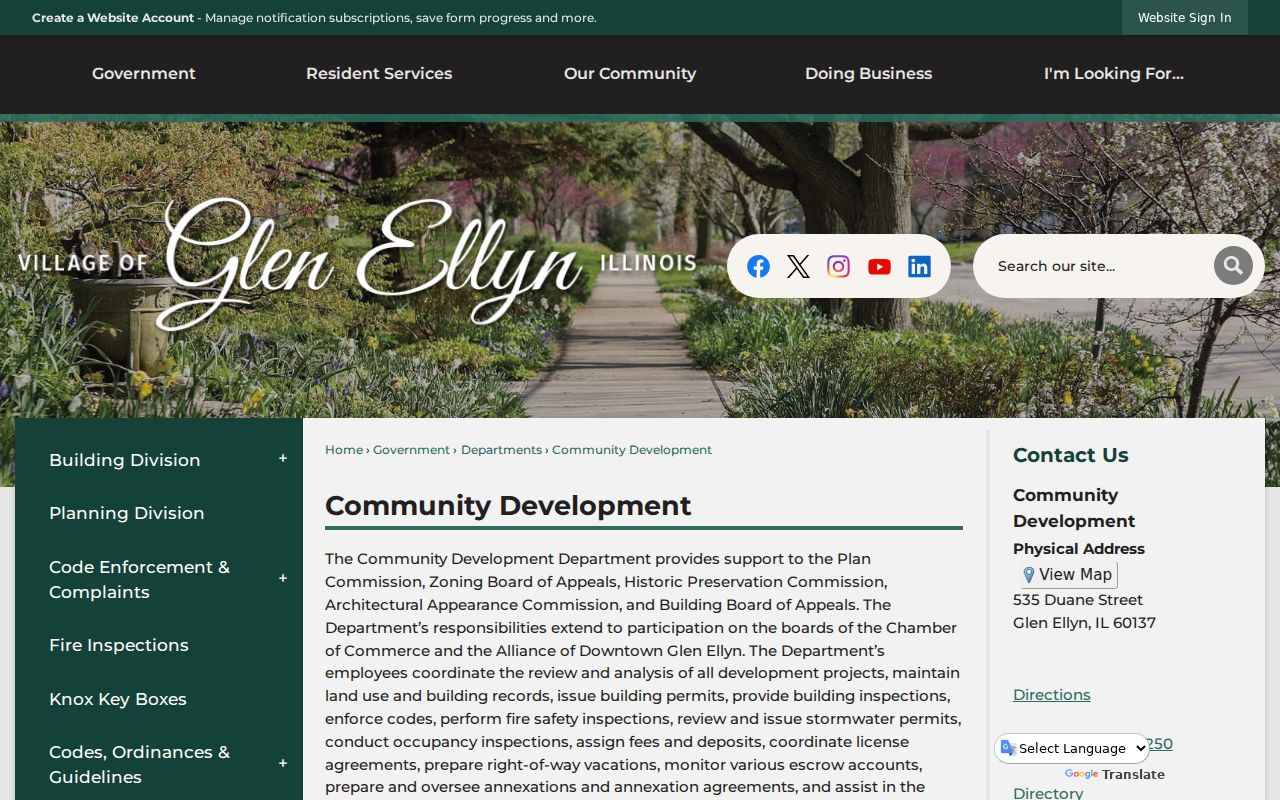
The page points to the Village office that can clarify planning jurisdiction, subdivisions, permits, and map records for the block.
LAMA holds recent permit, inspection, planning, license, and code activity. Its April 21, 2025 launch is a date boundary, so older work may remain in prior Village files. Search by name, number, or address where the public system allows it, then use a focused FOIA request for missing records. A permit applicant or cited party is not proof of residence.
Glen Ellyn Building Records
The Building Division issues permits, performs inspections, and enforces building, fire, zoning, and property-maintenance rules. It can add dates and work context to neighboring parcels without claiming who occupies them.
Open the Glen Ellyn Building Division source when a permit or inspection is the question.
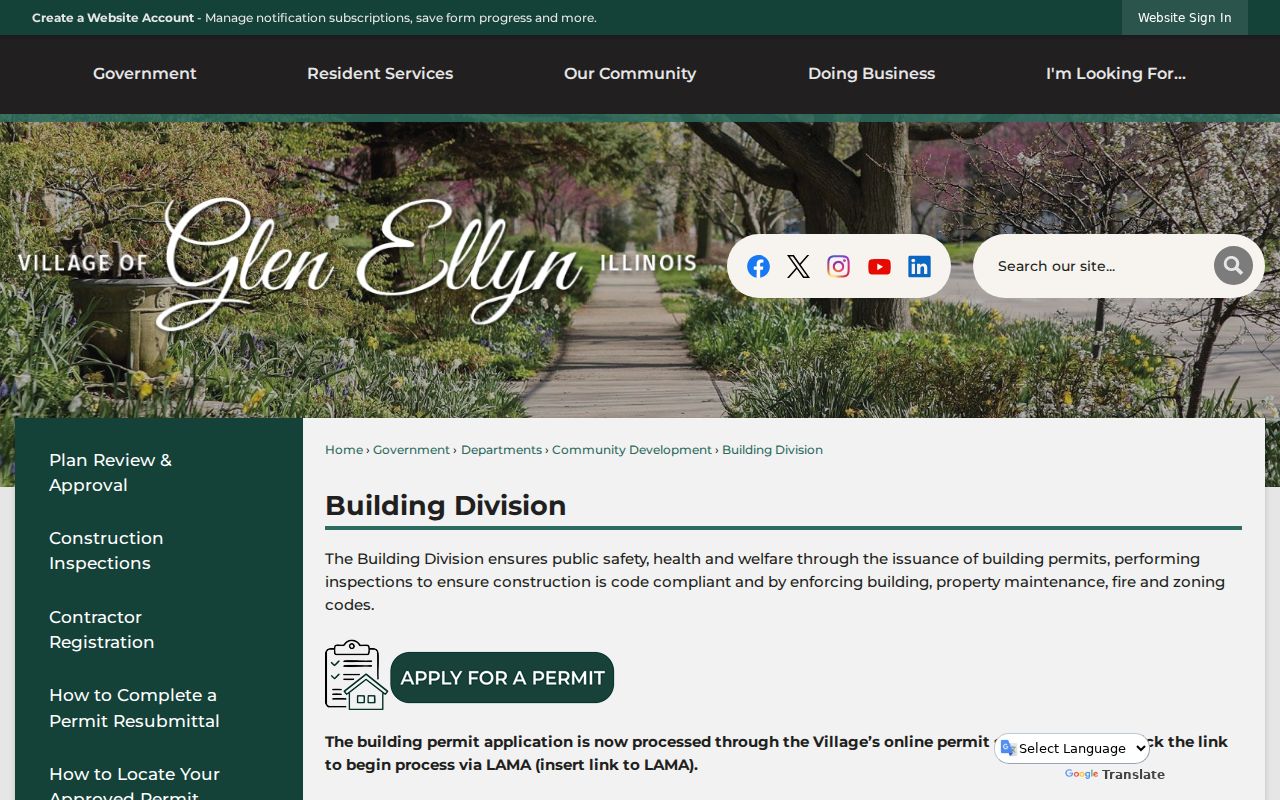
Match any file to the site address, record number, and date, then distinguish work history from owner or resident identity.
Approved permit documents require a signed-in LAMA path through Your Items, View, Documents, and Approved Documents. The folder may contain a placard, receipt, and plans. That source process is shown in the captured instructions.
See the Village's approved-document steps for the exact retrieval path.
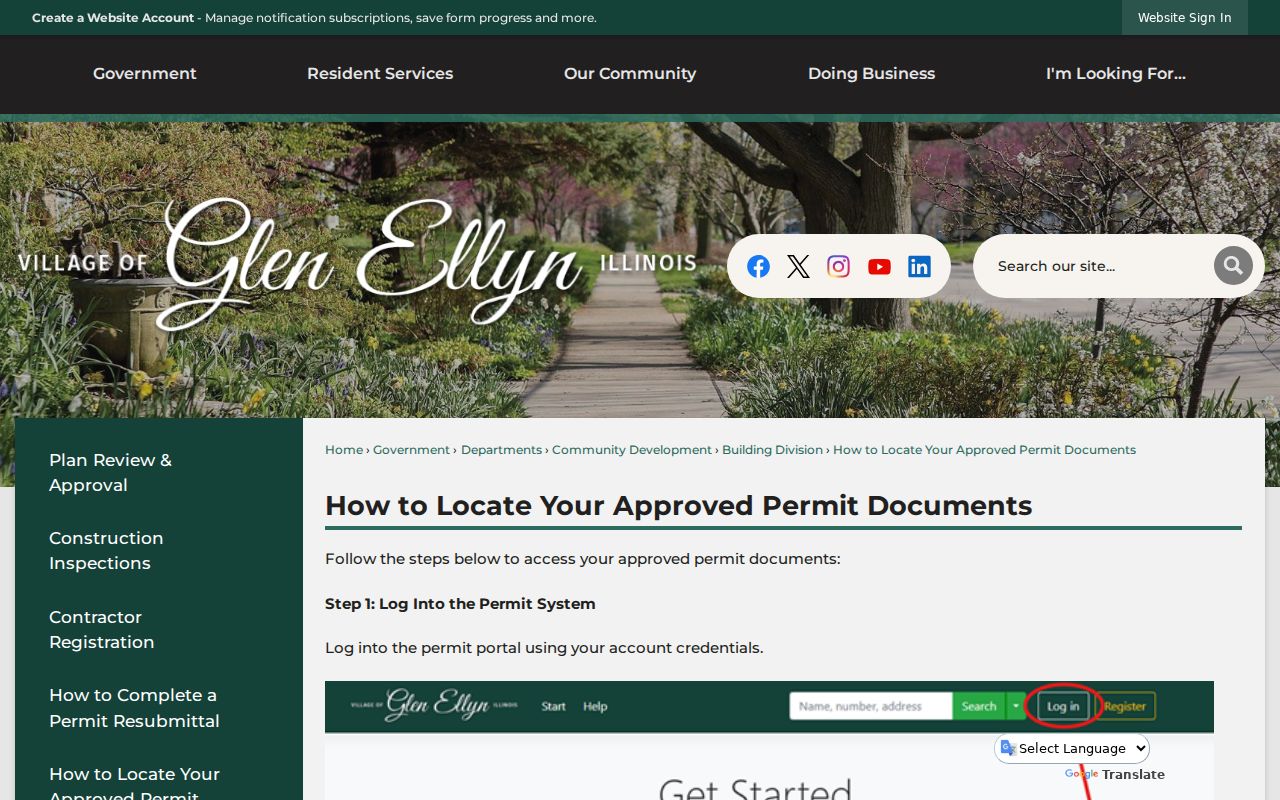
The account route applies to accessible items; for another parcel's releasable records, contact the department or use FOIA.
Glen Ellyn Neighbor Voter Limits
DuPage does not publish a one-click roster of all voters on a block. The Election Division address mode can be used for one known house number and street, while district mode supplies precinct, polling, committee, and sample-ballot context. Illinois restricts full voter-file access and sensitive fields. A protected voter or Address Confidentiality Program participant may be hidden or use a substitute address.
A returned result confirms only what the public search reports. A missing result does not prove that a home is empty or that no eligible person lives there. Do not compile or publish a list of Glen Ellyn neighbors from repeated voter queries. Use the tool for a lawful, limited confirmation and retain the query date because district and registration records can change.
The address form separates city, house number, street name, direction, and suffix. Enter those parts as the portal requests instead of pasting one long address. A district result describes election geography, not a household. Compare it with the parcel map only when the goal is to understand the block's precinct or polling context.
Glen Ellyn Community Directory
No Village source listing every neighborhood association or HOA and its resident members was found. Public organizations still provide a useful community layer. They show district, event, business, or membership-contact information, not a private household roll.
| Glen Ellyn group | Public information | Roster boundary |
|---|---|---|
| Alliance of Downtown Glen Ellyn | Downtown organization, sponsors, members, events, and contacts | Organization material, not a resident list |
| Newcomers & Neighbors Club | Welcome group, public overview, contact, and more than 50 events a year | Member material requires login; no public member directory found |
| Glen Ellyn Chamber | Business and organization directory, events, and community guide | Business directory, not a neighborhood census |
| Glen Ellyn Historical Society | Historic districts, home files, maps, phone books, and community history | Appointment research; no member list |
The Newcomers & Neighbors Club offers the clearest public social route for established and new local residents, while keeping its private member layer behind login.
Visit the Glen Ellyn Newcomers & Neighbors Club for its public events and membership contact.
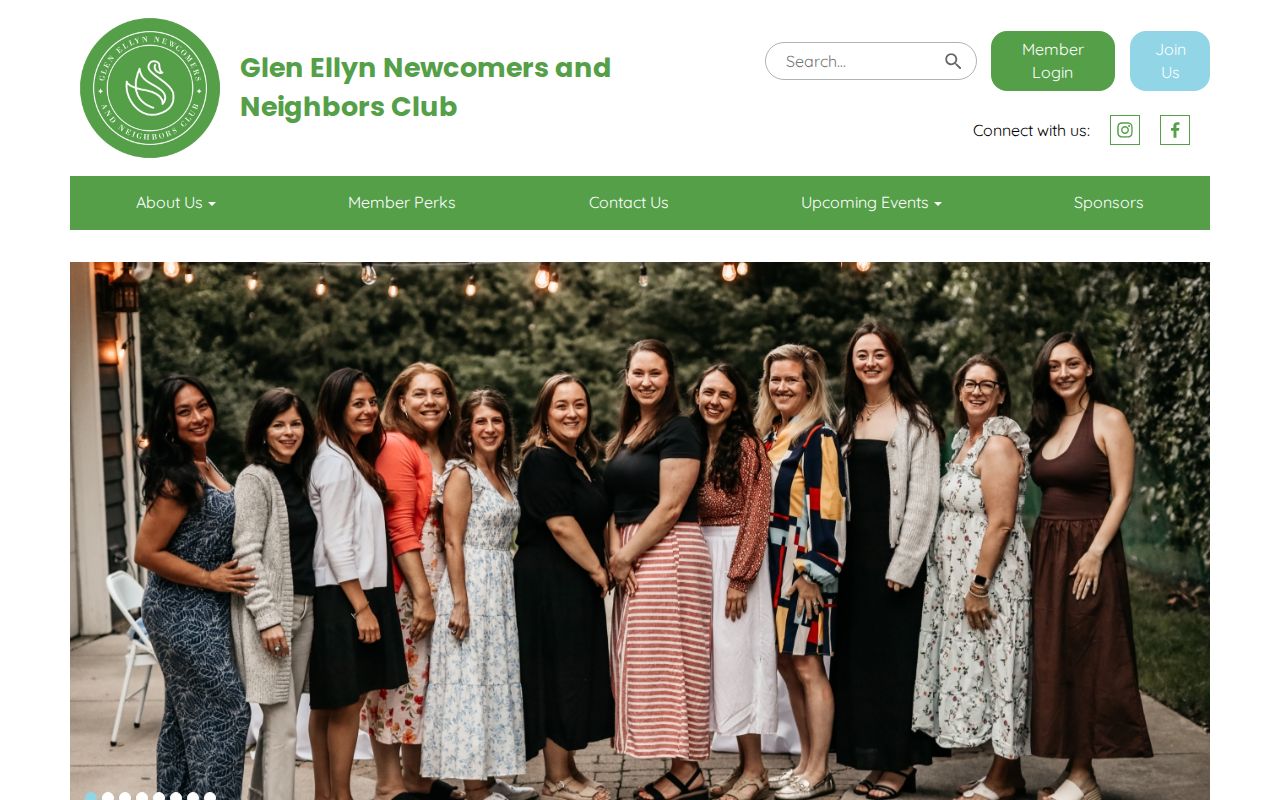
The club can help someone join local activities, but its site is not evidence of who lives on a given block.
The Chamber's public directory is useful when a nearby parcel or historic address is tied to a business or civic group.
Search the Glen Ellyn Chamber directory for public organization and business contacts.
Use those listings to identify a public entity, not to infer private membership or nearby household names.
Official Glen Ellyn Records Compared
Official rolls have a named custodian, a defined field set, and a correction route. They are still incomplete for the question of who lives nearby. Commercial neighbor tools combine public fragments and other data, often with uncertain dates and mismatched people. They may charge for access, and removal from one listing may not reach copied or republished data.
Official block sources
Best for parcel identity, recorded owner, legal documents, permit context, and a dated limited voter result. Verify with the office that keeps the record.
Commercial compilations
May be quick, but can merge names, old addresses, and phone data. Treat every match as unverified and use the service's current privacy process when seeking removal.
Respect Glen Ellyn Neighbor Privacy
Public parcel and deed records do not reveal every renter, child, roommate, or other household member. Utility and delivery data are not public block directories. Modern vital records have eligibility rules, court files may be sealed, and Illinois voter records omit or restrict sensitive fields. The Address Confidentiality Program gives qualifying survivors a substitute address for newly created state and local records, although the Attorney General warns that prior records cannot be removed and property confidentiality is not guaranteed.
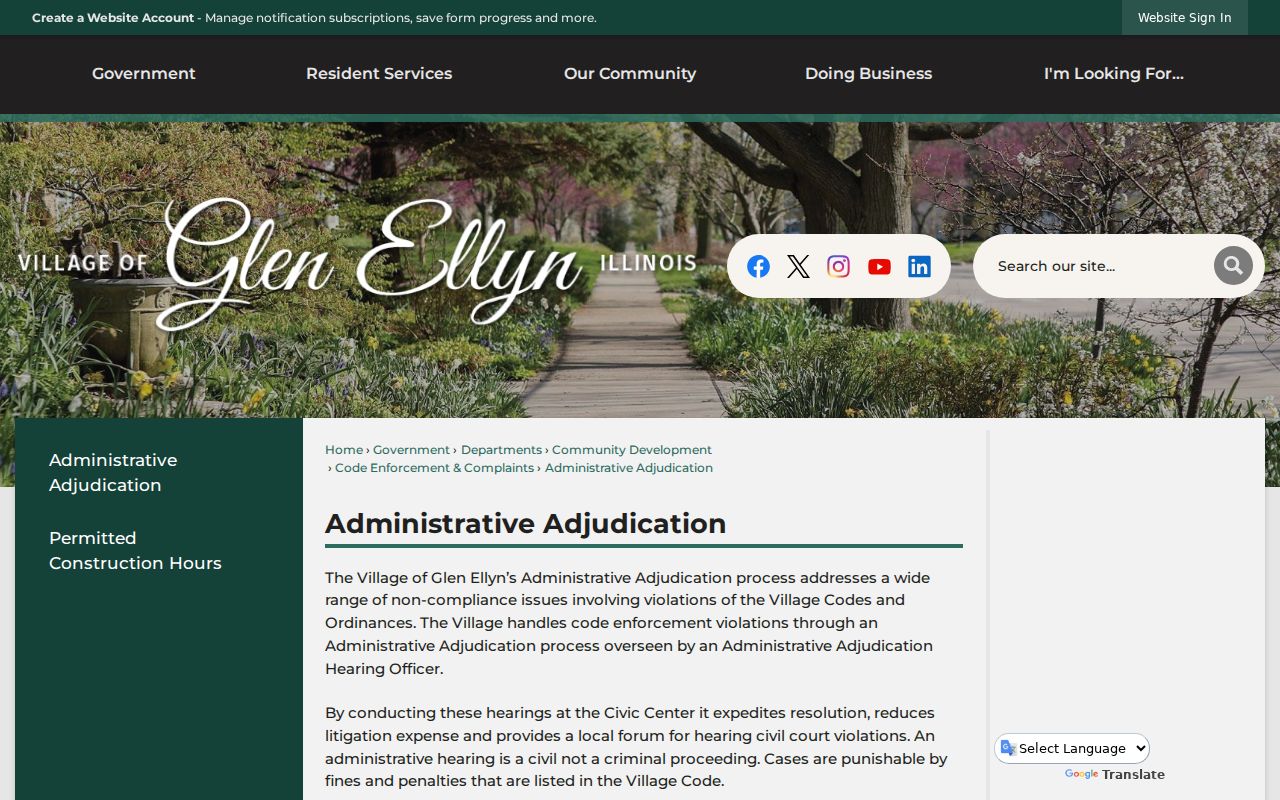
Administrative adjudication files can include a site, date, ordinance, photographs, evidence, and a final order, but the Village has no public case index for these matters. Use Community Development or FOIA for a defined record. The official source explains why a citation is a case record, not a household list.
Read Glen Ellyn Administrative Adjudication information before requesting a citation file.
Request only the relevant address, record type, and date range, and do not use a civil citation to label every person at the site.
Lawful use. Find Glen Ellyn neighbors for civic curiosity, reconnection, or block awareness. Never monitor, threaten, intimidate, or harass any person.